✨ AI Video GenNew
Bring your images to life instantly with AI!
✨ AI Video GenNew
Bring your images to life instantly with AI!
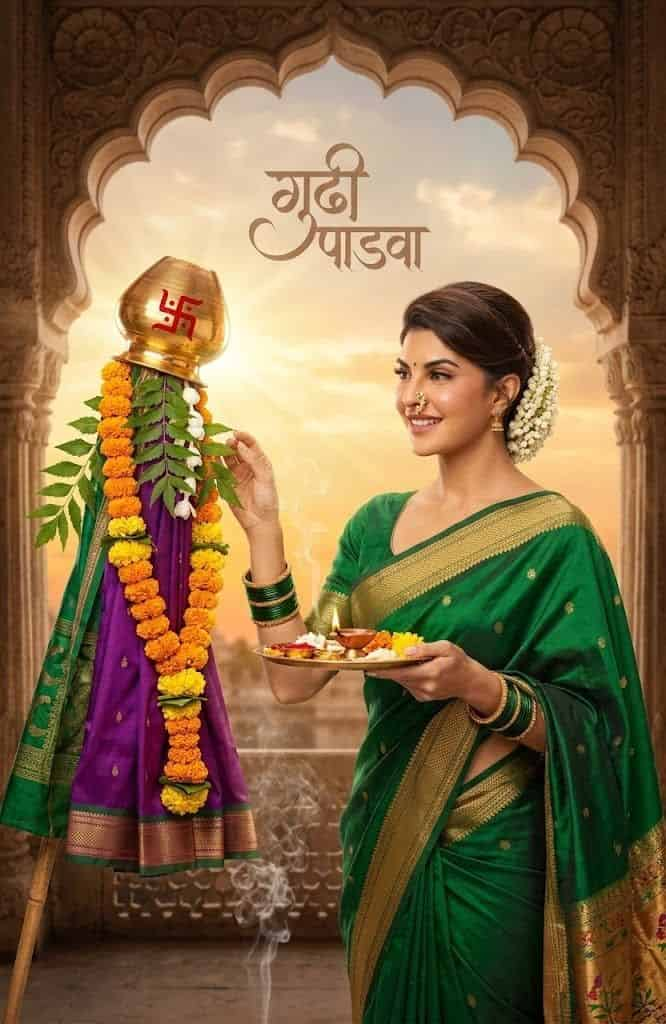
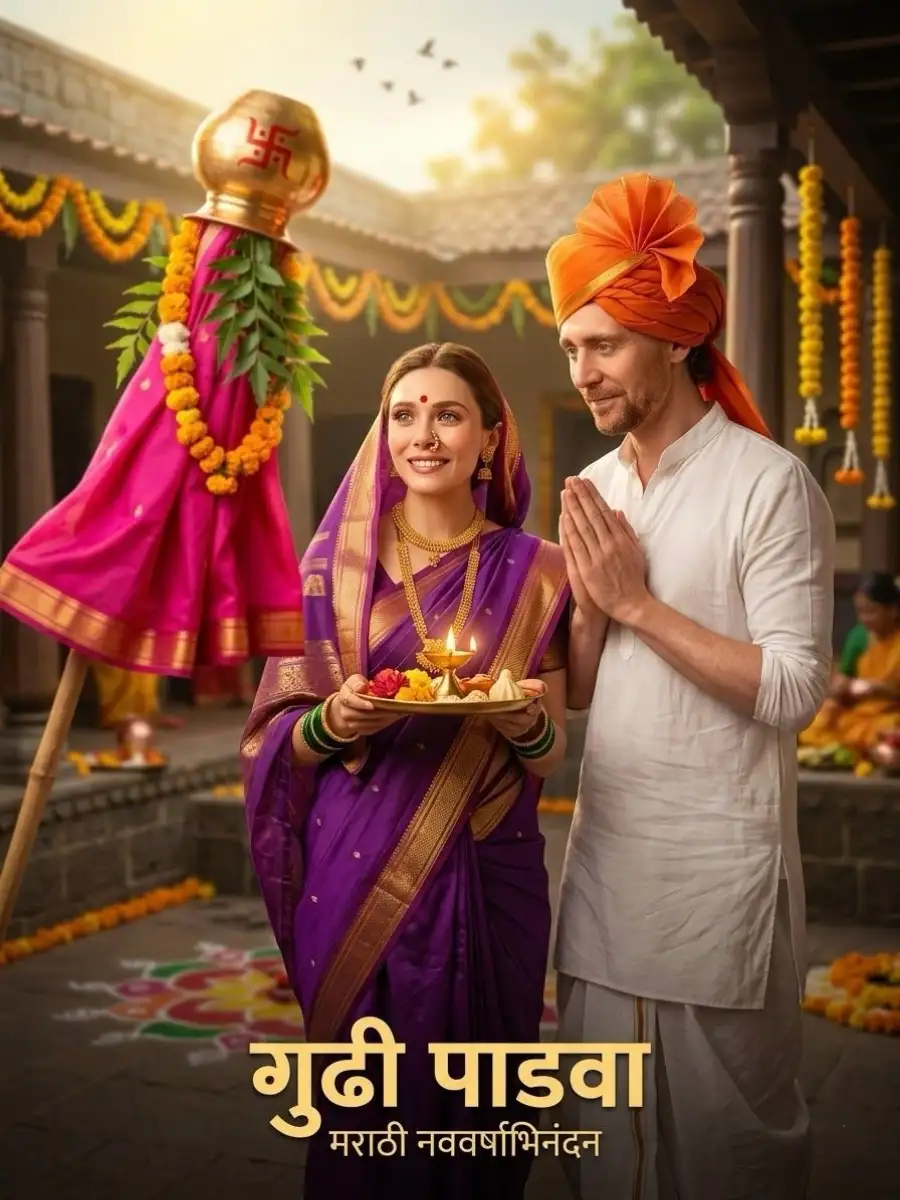
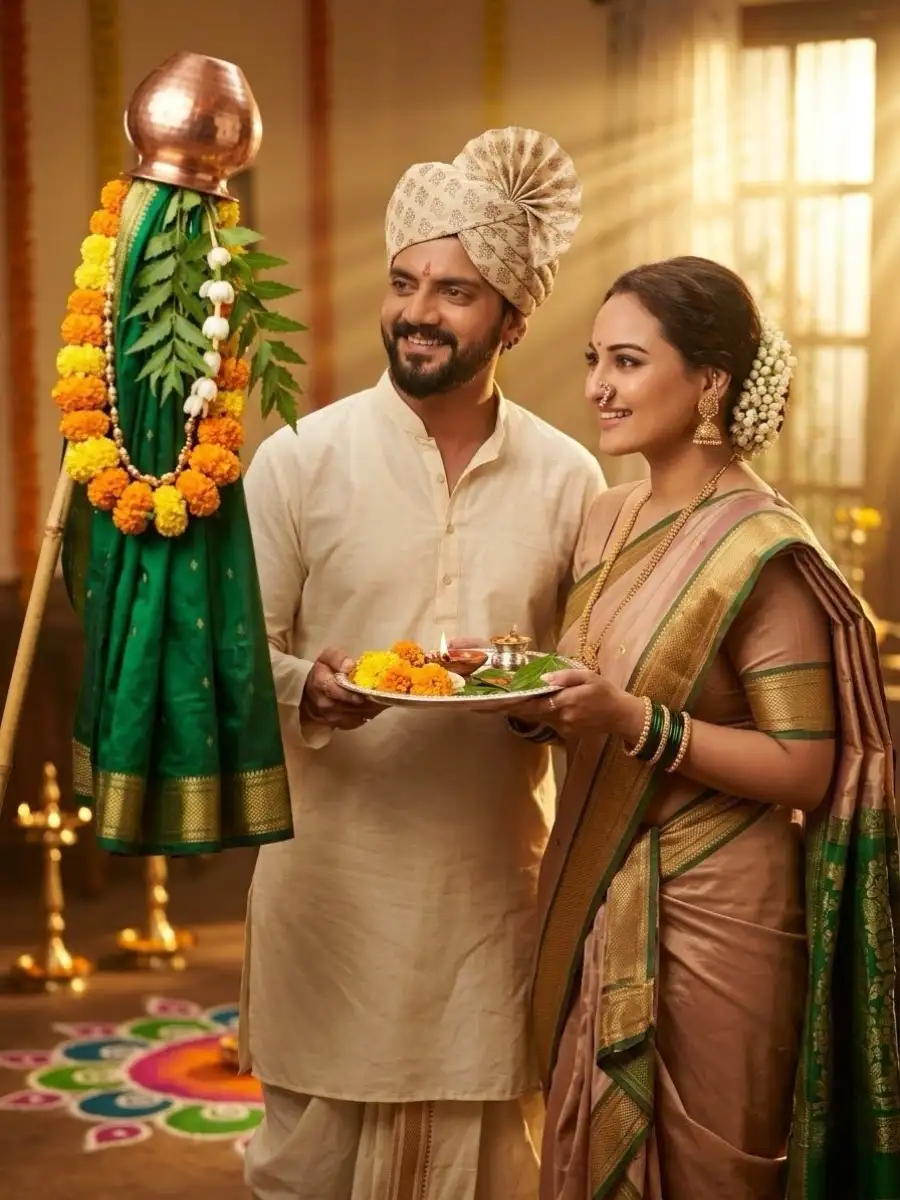
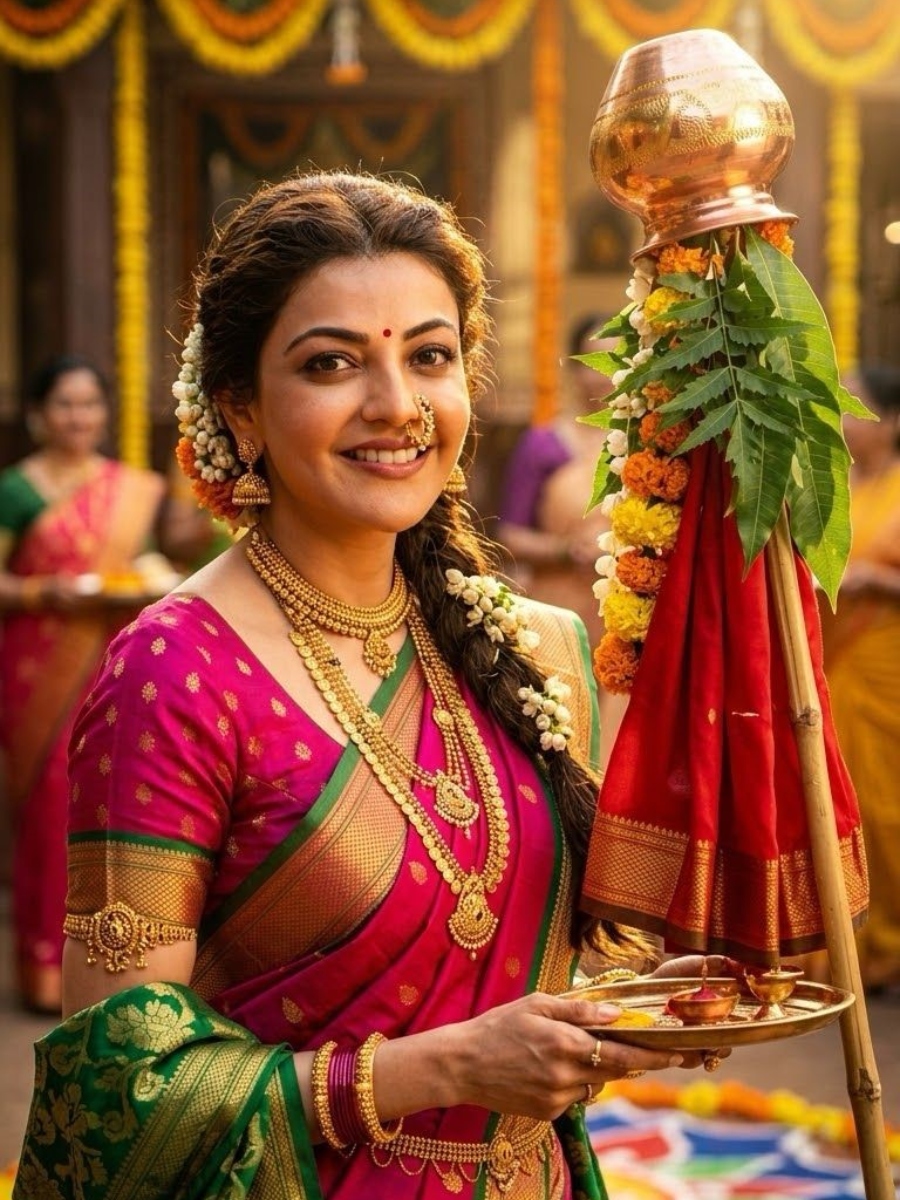
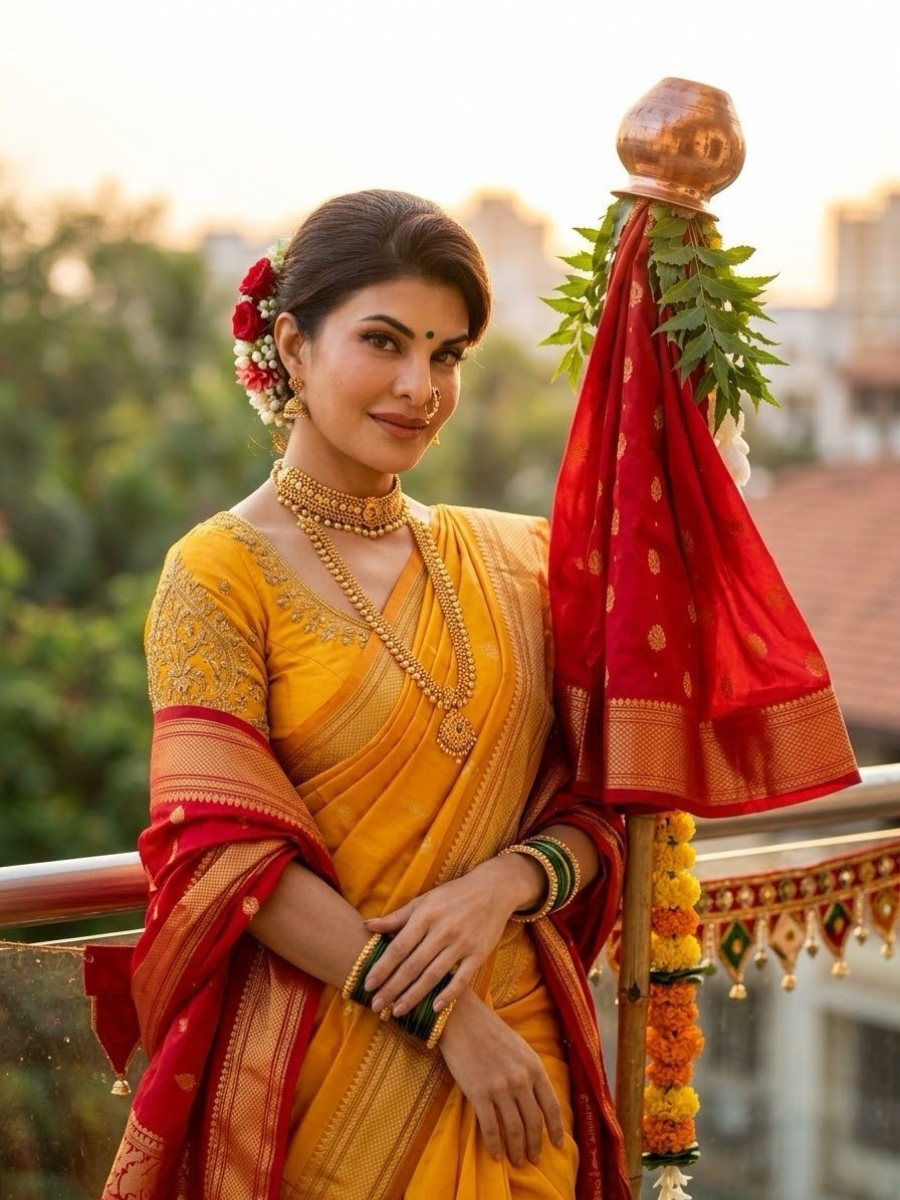
This gudi padwa pooja prompt page gives you ready-to-copy AI prompts to create realistic, devotional, and festive puja visuals in minutes. You’ll get multiple prompt styles—home mandir setup, puja thali close-ups, kalash and coconut details, diya lighting, and gudi decorations—so your images look authentic and emotionally warm. Copy a prompt, adjust a few details like lighting and background, and generate scroll-stopping Gudi Padwa puja images for posts, thumbnails, banners, or your prompt library today. Gudi Padwa marks a fresh beginning—clean home, bright rangoli, and a calm, devotional morning that feels different from regular days. If you create AI images for festival content, your biggest challenge is making the scene look authentic: the puja thali should feel real, the diya glow should look natural, and key elements like the kalash, coconut, flowers, and gudi must appear correctly. That’s exactly what this gudi padwa pooja prompt collection is for. Below you’ll find copy‑paste prompts for realistic Gudi Padwa pooja images with variations for close-ups, wide shots, home mandir scenes, and cinematic devotional posters. Each prompt is written to guide the AI clearly: what objects to include, where to place them, what lighting to use, and what mood to create. You can use these in popular AI image generators; just replace small details like “home style,” “color palette,” or “camera lens” to match your audience. How to use these prompts (quick workflow) Choose one base prompt (realistic is safest for SEO thumbnails and blog images) Replace placeholders like: [background], [lighting], [thali items], [style] Add a negative prompt to avoid messy hands, random text, and incorrect artifacts Generate 4 4– 8 8 images, then keep the best and iterate with minor edits A simple trick: keep the object list consistent (kalash, coconut, diya, flowers, kumkum, rice, betel leaves) so the model doesn’t “invent” unrelated festival items. 1) Best gudi padwa pooja prompt (ultra realistic home mandir) Use this when you want a believable photo that looks like it was shot in a real Indian home. Prompt: “Ultra realistic Gudi Padwa pooja scene in a traditional Indian home mandir, clean marble temple shelf, idol softly visible (no text), brass diya with warm flame glow, puja thali with kumkum, rice, turmeric, incense sticks, flowers, betel leaves, kalash with coconut and mango leaves, fresh rangoli on floor, gudi decoration visible near doorway in background, morning sunlight from window, natural shadows, detailed brass texture, realistic smoke from incense, shallow depth of field, shot on 50mm lens, high resolution, devotional peaceful mood” Negative prompt (optional): “blurry, low quality, overexposed, extra fingers, deformed objects, floating items, text, watermark, logo, unrealistic flame, plastic texture, messy altar” 2) Puja thali close-up prompt (high click-through for thumbnails) Best for blog featured images and Pinterest-style visuals. Prompt: “Close-up macro shot of a Gudi Padwa puja thali, brass plate with diya, kumkum, rice grains, marigold flowers, incense, small bell, soft bokeh background with kalash and rangoli, warm golden lighting, sharp details, realistic metal reflections, natural skin-tone hands holding the thali (optional), devotional aesthetic, high detail, cinematic color grading” If hands often look odd in your tool, remove “hands holding the thali” and place it on a wooden chowki instead. 3) Kalash + coconut hero-shot prompt (symbol-focused) This ranks well for people searching specifically for “kalash” visuals and ritual items. Prompt: “Gudi Padwa kalash setup on a wooden chowki, copper/brass kalash filled with water, mango leaves arranged neatly, coconut placed on top wrapped with sacred thread, marigold garland around base, diya light glow, subtle rangoli pattern, soft morning sunlight, ultra realistic, high detail textures, calm devotional mood, clean composition, no text” 4) Gudi + pooja combined prompt (complete festival story) Use when you want the image to instantly communicate “Gudi Padwa,” not generic puja. Prompt: “Complete Gudi Padwa pooja scene, home entrance decorated with toran and rangoli, gudi tied on a bamboo stick with bright silk cloth and garland, nearby puja setup with kalash coconut mango leaves, puja thali with diya and flowers, family-friendly devotional vibe, warm morning light, realistic Indian home environment, documentary photography style, 35mm lens, high resolution” 5) Minimal clean aesthetic prompt (modern apartment vibe) Good for creators who want a neat, premium look with fewer elements. Prompt: “Minimalist Gudi Padwa pooja setup in a modern Indian apartment, clean neutral background, single diya, simple brass thali with flowers and kumkum, one kalash with coconut and mango leaves, soft diffused window light, airy composition, pastel tones, ultra realistic, premium editorial product photography style” 6) Cinematic devotional poster prompt (dramatic and shareable) Best for banners, hero images, and motivational festival posts. Prompt: “Cinematic devotional Gudi Padwa pooja poster image, dramatic warm lighting, diya flame as key light, incense smoke creating rays, kalash with coconut and mango leaves in foreground, gudi silhouette in background, rich saffron and gold color palette, high contrast, ultra detailed, film grain, symmetrical composition, spiritual mood, no text” Make your Gudi Padwa pooja images look authentic (important tips) A lot of AI “puja” images fail because items appear random or culturally mixed. These tweaks fix that fast: Specify the core objects: “kalash, coconut, mango leaves, kumkum, rice, diya, incense, flowers” Mention lighting direction: “morning sunlight from window” or “diya-lit warm shadows” Control background: “home mandir,” “wooden chowki,” “marble shelf,” or “doorway with gudi” Keep color palette festival-true: saffron, marigold orange, turmeric yellow, leaf green, brass gold Avoid text: add “no text, no watermark” to keep it clean for SEO and reposting If your tool supports aspect ratio, 4 : 5 4:5 works best for Instagram posts, while 16 : 9 16:9 works best for YouTube thumbnails.